
2013
There are many ways to assess the promise that you can keep the health insurance you have and like. The first is direct in that some policies that do not comply with the Affordable Care Act are being cancelled and new coverage will have to be found. In many cases, this means higher costs and less accessibility to a wide selection of health care providers. This has been “fixed” or should I say pushed off on the states for 2014.
However, the ACA is having a second less direct impact on your coverage. This impact affects far more Americans and is causing higher costs for employer plans with an expected response from employers. That response means one thing … higher costs for employees. Bottom line: your health benefits are changing and probably not in ways you like.
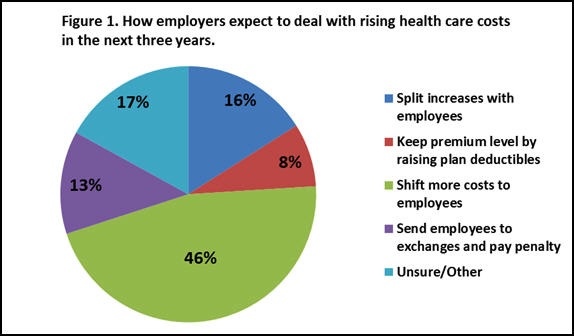
Look at the chart below showing the expected changes employers will make.
According to a new survey from Munich Health North America Reinsurance’s Division, health insurance executives expect U.S. employers to increasingly self-fund their group health insurance plans as a result of the Affordable Care Act (ACA). Among those surveyed, 82% have experienced a growing level of interest among employers in self-funding their group health insurance plans over the past 12 months, with nearly one-third (32%) stating that interest has increased ‘significantly.
Additional findings:
86% expect the ACA to increase health insurance premiums by more than 25% or at least 10% to 25%
46% expect employers to deal with increasing premium costs by shifting costs to employees
In five years, approximately one-third say that the health exchanges will either be primary vehicles for individual and small group insurance (37%) or nothing more than a high-risk pool (36%).For more on this survey visit this site:
via Move to Self Insurance ExpectedShare this:

 QUINNSCOMMENTARY