
Does your podiatrist trim your toenails … and submit a claim to Medicare? Unless your are being treated for certain related medical conditions, your doctor is probably committing fraud and so are you.
The key words are medical necessity. Getting old and not finding it easy to reach your toes is not medical necessity- even though I can relate to that difficulty.
Foot care
Medicare Part B (Medical Insurance) covers podiatrist (foot doctor) foot exams or treatment if you have diabetes-related nerve damage, or need medically necessary treatment for foot injuries or diseases (like hammer toe, bunion deformities, and heel spurs).
Foot care (routine)
Medicare doesn’t usually cover routine foot care.
Your costs in Original Medicare
You pay 100% for routine foot care, in most cases.
What it is
Routine foot care includes:
- Cutting or removing corns and calluses
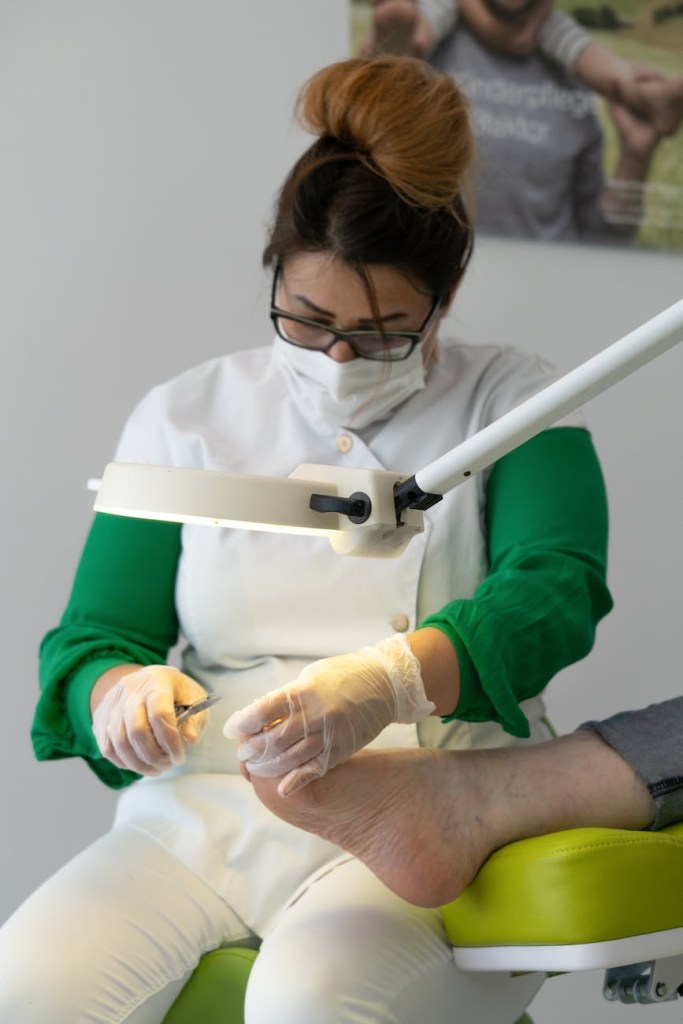
- Trimming, cutting, or clipping nails
- Hygienic or other preventive maintenance, like cleaning and soaking your feet
Payment of routine foot care under Medicare is under investigation with a report expected to be issued in 2023.
Medicare Part B Payments for Podiatry and Ancillary Services
Medicare Part B covers podiatry services for medically necessary treatment of foot injuries, diseases, or other medical conditions affecting the foot, ankle, or lower leg. Part B generally does not cover routine foot-care services such as the cutting or removal of corns and calluses or trimming, cutting, clipping, or debridement (i.e., reduction of both nail thickness and length) of toenails. Part B may cover these services, however, if they are performed (1) as a necessary and integral part of otherwise covered services, (2) for the treatment of warts on the foot, (3) in the presence of a systemic condition or conditions, or (4) for the treatment of infected toenails. Medicare generally does not cover evaluation and management (E&M) services when they are provided on the same day as another podiatry service (e.g., nail debridement performed as a covered service). However, an E&M service may be covered if it is a significant separately identifiable service. In addition, podiatrists may order, refer, or prescribe medically necessary ancillary services such as x-rays, laboratory tests, physical therapy, durable medical equipment, or prescription drugs. Prior OIG work identified inappropriate payments for podiatry and ancillary services. We will review Part B payments to determine whether podiatry and ancillary services were medically necessary and supported in accordance with Medicare requirements.
Office of the Inspector General

 QUINNSCOMMENTARY