
I’ve been working on my income taxes for the last several days. I was doing pretty well, I owed a modest amount to the IRS but I was getting a refund from the state that mostly offset the amount I owed. Whoopee!
I should have held my joy such as it was because I was soon to approach another line on the 1040. You guessed it, the dreaded alternative minimum tax (ATM) came up to bite me in the butt. My breakeven has turned into writing a check for several thousand dollars. That’s because I have a lot of deductions you say. Not really, I have very few deductions and all are well below the norm for my comparable group of taxpayers.
Remember, the ATM was put in place to catch a very few exceptionally wealthy taxpayers who through manipulation paid no income tax. Here is a summary from Wikipedia:
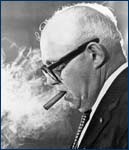
The AMT was enacted by the Tax Reform Act of 1969 and went into effect in 1970. Treasury Secretary Joseph Barr prompted the enactment action with an announcement that 155 high-income households had not paid a dime of federal income taxes.
There you go a Congressional reaction to the taxes of 155 Americans. The tax was later changed from simply an add on tax to a parallel tax and now hurts millions of Americans especially those in high tax states, those with home equity loans and children.
You would think that correcting this to bring it back to the intended purpose would be a no brainer but you see, just as with the estate tax (intended to be temporary to pay the debt from World War I) Congress becomes addicted to the revenue and simply spends it all and creates new programs and entitlements that must be paid for on an ongoing basis.
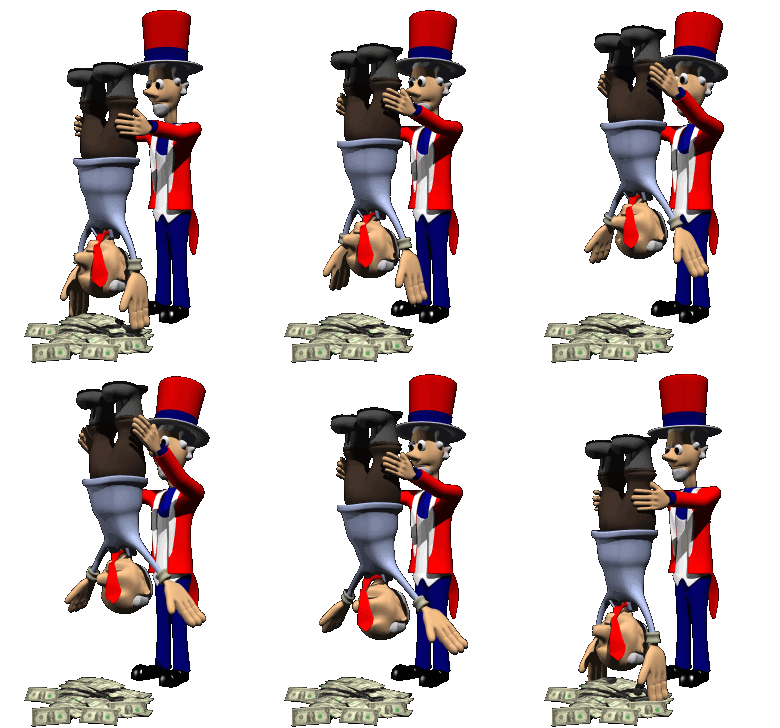
This logic means that taxes must keep rising because no one in government has the discipline to spend prudently or to follow through on the intended purpose of either spending or taxes. Remember this when you listen to the current budget debate and be prepared to really pay your “fair share” when your hear that the answer is simply to raise taxes.
The trouble is now that we are in such a deficit mess today and in the years ahead that raising taxes is inevitable. Aside from not giving you much comfort, keep in mind that should the debt ever be brought under control there will be a member of Congress waiting in the wings with a worthy cause to spend the new found revenue.
And while we are alluding to paying ones fair share consider this from an article on CBS.com. I have highlighted an especially disturbing observation that you should read and re-read and then remember as you read the news and listen to the promises of today’s politicians.
(CBS) Don’t be surprised if the line at your local post office is a bit shorter than usual. That’s because your neighbors may not be paying any income taxes this year.
An astonishing 43.4 percent of Americans now pay zero or negative federal income taxes. The number of single or jointly-filing “taxpayers” – the word must be applied sparingly – who pay no taxes or receive government handouts has reached 65.6 million, out of a total of 151 million.
Those numbers come from an analysis published yesterday by the Tax Policy Center, a joint project of the Urban Institute and Brookings Institution. Neither is a low-tax or conservative advocacy group; the Urban Institute was created under the Johnson administration during the Great Society era, and it receives most of its funding from the federal government.
“You’ve got a larger and larger share of people paying less and less for the services provided by the federal government,” says Roberton Williams, a senior fellow at the Tax Policy Center. “The concern is that the majority can say, ‘Let’s have more benefits, spend more,’ if they’re not paying for it. It’s ‘free.’ That’s not a good thing to have.”
By historic standards, today’s situation is an aberration. Between 1950 and 1990, the number of owe-no-money federal tax returns averaged 21 percent, dipping to 18 percent in 1986, according to Tax Foundation data. In the 1990s, the owe-no-money percentage hovered around 25 percent of taxpayers.

 QUINNSCOMMENTARY
One comment