In his 1987 book Trump: The Art of the Deal, Trump described his approach this way:
“My style of deal-making is quite simple and straightforward. I aim very high, and then I just keep pushing and pushing and pushing to get what I’m after.”
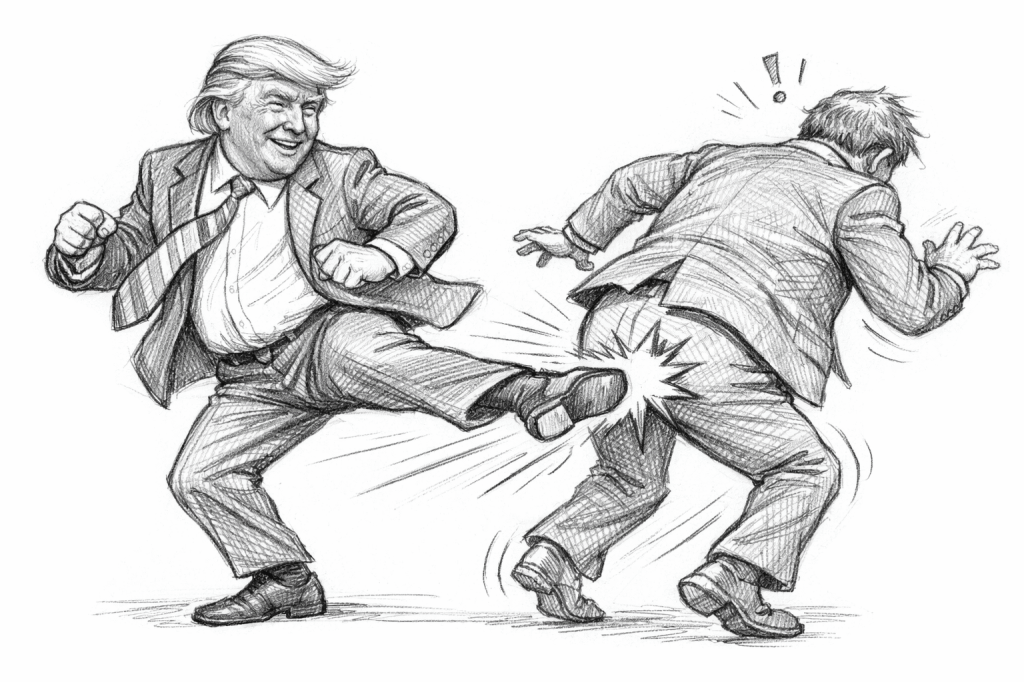
That does not describe a skilled negotiator, it describes a bully and narcissist.
A good negotiator combines strong preparation, emotional intelligence, communication skills, strategic thinking, and adaptability. Effective negotiation is less about “winning” at all costs and more about achieving optimal outcomes—often mutually beneficial—while preserving or building relationships.
What type of personality does not make a good negotiator
In negotiation, certain behavioral traits consistently get in the way of reaching a good deal. Negotiation requires a delicate balance of assertiveness, empathy, and flexibility. When a person leans too far to any extreme, the process usually breaks down.
Here are the main personality types and traits that struggle at the negotiating table—and why.
1. The Conflict Avoider (The People Pleaser)
While a friendly demeanor is great for building rapport, someone who fundamentally fears conflict makes a poor negotiator.
- The Flaw: They prioritize the relationship or their own comfort over the actual outcome.
- The Result: They tend to make premature concessions, agree to poor terms just to end the tension, and suffer from “winner’s curse”—agreeing so fast that they leave massive value on the table.
2. The Rigid Hardliner (The “My Way or the Highway” Type)
On the opposite end of the spectrum is the overly aggressive, highly stubborn personality. They view negotiation as a war to be won rather than a problem to be solved.
- The Flaw: They lack flexibility and struggle to see the other side’s perspective.
- The Result: They create unnecessary gridlock. By treating every minor point as a hill to die on, they often tank deals that would have been highly beneficial to both sides. They destroy long-term relationships for short-term, minor wins.
3. The Impatient Reactor
Good negotiation requires a high level of emotional intelligence and patience. People who are highly impulsive or thin-skinned easily falter.
- The Flaw: They let their emotions drive their decisions and want the process over with quickly.
- The Result: They are easily manipulated by tactical delays or aggressive counter-offers. Instead of pausing to calculate their next move, they react defensively or accept a bad counter-offer just to close the deal.
4. The Egocentric Narcissist
Negotiation is fundamentally about discovering what the other side needs so you can leverage it to get what you need.
- The Flaw: This personality type genuinely struggles to listen because they assume they are the smartest person in the room.
- The Result: Because they don’t listen, they miss crucial pieces of information and subtle cues that could help craft a better deal. They alienate the other party, turning what could be a collaborative session into an ego battle.