
Employer benefits are under more pressure and scrutiny than they have been in years.
“Cost volatility, more complex workforce needs, tighter regulatory requirements and emerging technologies such as AI are pushing organizations beyond incremental adjustments toward more disciplined benefit management,” according to the latest Benefits Benchmarks report from Gallagher.
The report focused on five key aeras for employers and workers.
Medical benefits are at the center of employer cost, risk and workforce strategy, but the path to better results is getting less straightforward. Renewals are becoming harder to predict as elevated trend, claims volatility and rising exposure to specialty drugs and complex conditions continue to add uncertainty. In response, employers are taking a more disciplined approach by tightening oversight, revisiting assumptions and making more targeted changes where trade-offs are easier to manage.
Excerpt from BenefitsPro read more here
Someday employers will say, enough, we can’t manage these costs (beyond shifting them to workers). When that happens the push for a universal insurance system will come.
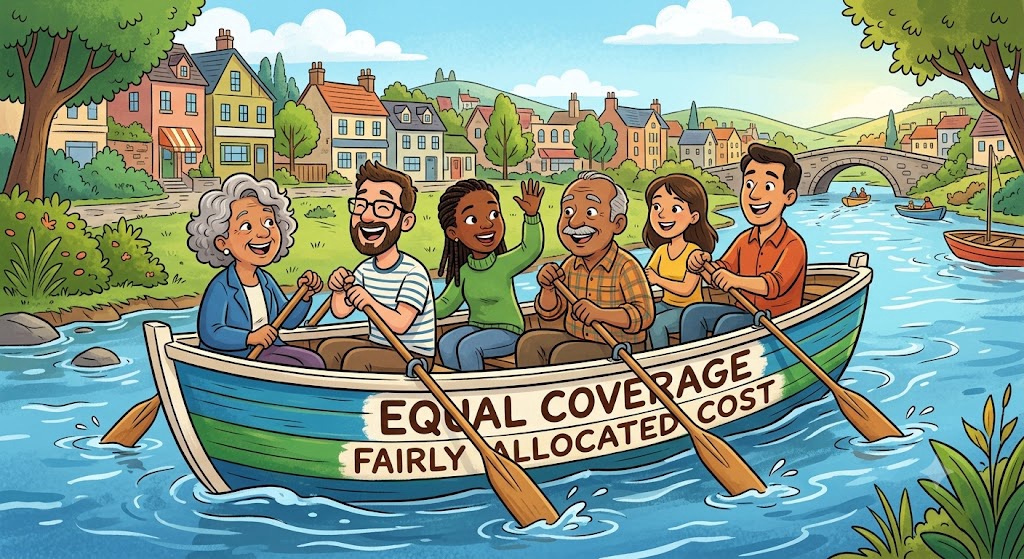
Employers will be better off with a reasonably predictable tax to contribute towards universal coverage, say equivalent to 7-8% of payroll and free from all the other costs of providing health benefits.
All employers and workers would in the same boat.


“…. Employers will be better off with a reasonably predictable tax to contribute towards universal coverage, say equivalent to 7-8% of payroll and free from all the other costs of providing health benefits….”
Nope. Back in 2010 or so, one strategist who worked in the design of PPAC Ezekiel Emmanuel predicted most employers would drop coverage by 2025.
Don’t expect employers to drop coverage until there is a viable alternative – it surely isn’t Medicare or Medicaid (providers won’t accept the reduction in allowable charges).
And, since health care spending in the US is almost 19% of GDP, about 22% of personal income, the funding would likely exceed that of Social Security and Medicare, 15+% of wages, no cap- with a promise of Congress of no cost sharing (contributions, deductibles, etc.)
That would double the cost most employers contribute today – dampening pay increases for almost a decade.
Today, family coverage for a median wage worker can approach 50% of salary – expect to see declines in employment and various cost shifting before employers drop coverage and sign up for a universal system.
LikeLike