
A National Business Group on Health survey indicates more cost management efforts by the nations largest employers. You can’t blame them because costs are still out of hand after decades trying to manage them. The combination of additional costs imposed by the Affordable Care Act and medical inflation still more than double general inflation is a tough nut to crack. The reality is that health care is becoming less and less, not more affordable as was promised. That is because nothing in the Affordable Care Act addresses health care costs in the private sector (and no, asking insurers to justify premium increase of more than 10% doesn’t do it). Rather, what initiatives are contained in the Act focus on Medicare and Medicaid. Even trial programs that prove successful are many years away from applying beyond Medicare. In the meantime it’s more cost shifting for employer groups. The outlook for the balance of this decade is not good for workers. Higher payroll deductions and out-of-pocket costs are the order of the day.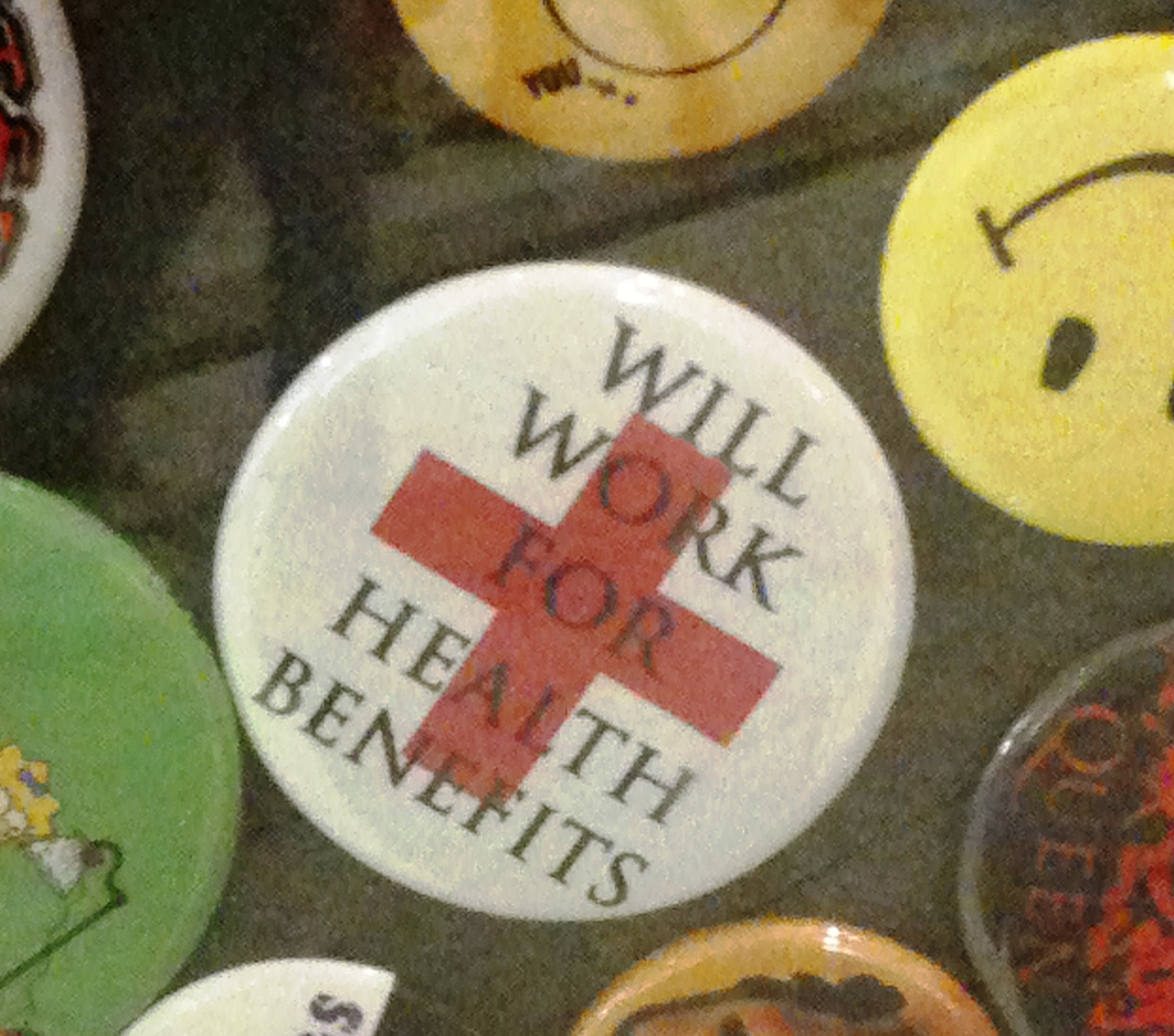
Here is one example from the NBGH survey, 73 percent of employers will offer employees at least one consumer directed health plan (CDHP) in 2012, a sharp increase from 61 percent that offer a plan this year. In addition, 17 percent will have or will move to a total replacement consumer directed health plan in 2012. The most common type of CDHP plan is a high-deductible health plan with a health savings account (75 percent).
When you hear consumer directed, think a family deductible of at least a couple of thousand dollars before any benefits are paid for any family member. I think they really mean consumer directed into debt. Okay I am half kidding; a high deductible plan is better than no plan and premiums are lower for such plans so there is some offsetting savings. However, employees who are faced with a CDHP should discipline themselves so that at least a portion of the premiums savings are placed into a Health Savings Account or otherwise put aside so the high deductible does not become a financial barrier to obtain required health care.
I designed and managed health benefits for nearly fifty years, I embraced every new idea from paying for second opinions, to pre-admission testing, and on to HMOs and wellness and here we are fifty years later in worse shape than in the 1960s and still heading in the wrong direction. Somethings gotta give!


