
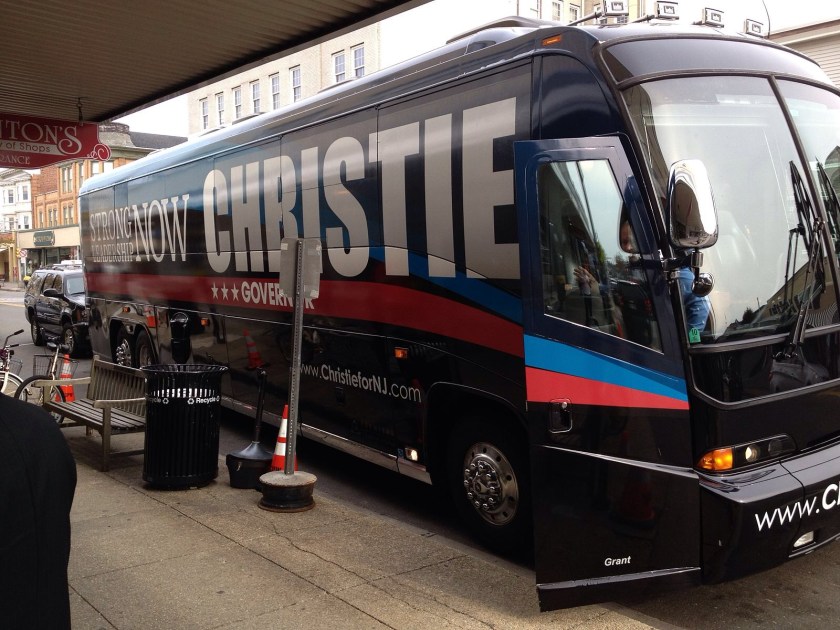
2014
The property taxes on my 85-year-old house sitting on a 50×120 lot were $12,600 last year. This is net of State subsidizes to those taxes and a $250 veterans credit meaning the actual taxes were over $14,000. Every governor I can recall has promised tax relief and none has delivered. A few years ago one governor created tax rebates and got the money by raiding a fund for state employee retiree health benefits.
A few months ago our town paper quoted the city manager as saying costs (think taxes) would be going up in 2018 as a result of Obamacare and the so-called Cadillac 40% tax on high cost health plans. Apparently there is no thought of amending these plans to make them affordable as private employers are already doing. Rather, the town would just pay the tax and add to the property tax burden.
From WSJ Political Diary 1-15-14 from State of the State speech
The governor claimed a property tax cap and pension reforms “passed with bipartisan support” as crowning achievements. “The 2% cap [on property tax increases] has worked,” he said. But then he adds that “property taxes are still too high”—the highest in the country, in fact—and floated solutions like consolidation of municipal services that don’t address the fundamental problem. The property tax cap includes exemptions for health care, pensions, debt service and emergencies (e.g. superstorm Sandy), which are the biggest drivers of local government spending.
Also, the state’s pension bill and unfunded liabilities are growing notwithstanding the 2011 reforms, which didn’t measure up to the problem. What’s more, the state still isn’t making its actuarially required contribution. In his speech the governor proposed attacking only low-hanging fruit, like pension-disability fraud and sick-leave payouts.

Christie didn’t create these problems, (and they are not unique to NJ), but his claims of reform are nonsense. Note what is excluded from the so-called property tax cap. Towns simply need to borrow more and their debt service is excluded. In addition, all public employees continue to enjoy pensions and other benefits far in excess of the average Americans who are paying the property taxes.
So exactly who are politicians working for? What do they actually accomplish that does not merely shift financial burdens from one group or generation to another? But we shouldn’t just blame the politicians. Voter demands and support for public employees without asking questions or perhaps not caring about costs and their relationship to taxes is what really creates these problems.


thanks for pointing out the fallacy of the 2% cap…….this is just another joke as local towns/municipalities ….work around it as you allude to . It sounds appealing coming out of a so called reformers mouth, but at the end of the day I believe the governor has done very little by way of economic/fiscal reform. And yet I can not blame him personally for the sad state we are in.
The truth is, most of our economic woes are created locally by local politicians ….and i will add by Progressive/Democratically controlled government. Wherever they exist you can count on increased crime, higher and higher taxes and spending….and decreasing property values!
LikeLike
This is a universal problem in all states. To fix these problems is tantamount to telling a family member or friend they are not valued. As you know, try having a conversation with a paid public servant in the group and see how spirited the conversation becomes. Until those folks realize people are leaving and taxes are not being paid to pay their salaries and benefits will they understand. Either these costs must be cut or the services terminated and replaced with volunteer service providers.
Where I live, we use part time sheriffs to supliment the regular force and all but a few innercity fireman are volunteers. However, I really do not see that as a solution much like what is happening in Detroit. Reason must be the solution.
LikeLike
We would go a long way in solving the problem if we just said that total compensation of state and local employees could not exceed the average value of total compensation of the top 20% of employers in the state.
LikeLike
Sounds like a reasonable approach, however, as we both know – what is included(excluded) in the term total compensation. When you assess “employers in the state” does it include those who work for companies that are licensed or chartered in other states? You will hear although I work hear, my pay is determined and paid out of xyz state – I just have an office here.
LikeLike
About those sick leave payouts. State workers can accumulate unused sick days and receive the cash value in a lump sum upon retirement. In some cases that equals tens of thousands of dollars. They used to be able to add those dollars to a pension calculation. Sick time is to be used when you are sick, period. If you are not sick, you don’t get paid twice for the same day. The idea that unused sick time is an additional form of compensation is ridicules and virtually unique to public employees. Arguing that this is an incentive not to take sick days is not credible. If you are sick, stay home. If you are not sick and say you are to get paid, you are a cheat and thief.
LikeLike
Dick you are right about taxes in NJ and I agree
with your comments about Christie. However
the increases do seem to be less in the past
4 years in my town but still up 2% or so per
year.As you stated the public workers like teachers
and municipal employees have good salaries and
great pensions and health benefits. You could
save yourself some money by getting out of
Essex County as the taxes there are a killer. Come on
out to the country and save yourself some nice
bucks!
LikeLike
John, I am not sure moving anywhere in NJ would help. We lived in Morris County and my taxes were in excess of $10K on a small 3 bedroom split back in 2005. The township was about to embark on a $36M new school. Have no idea what those taxes are today. Before I retired in 2006 we really wanted to stay in NJ and looked around at various areas. Could not find anything that would have reduced our property taxes on an equal home. That is when we came to the reality that NJ was not retirement affordable and moved to Florida, to a larger home on a golf course and my taxes are $2200. In addition Florida has no income tax. NJ is not retirement friendly. Also the cost of living here is far cheaper. I feel for those that can’t move and have no choice but stay.
LikeLike
I agree with you completely.What you did and thousands like you have done and will continue to do is exit the state of new jersey. The migration data for those leaving the state to places elsewhere is highest for the state of New Jersey . California and New York are not far behind. Note these are essentially “Red States”.
LikeLike