
I believe he actually thinks if he says it, anything is true.
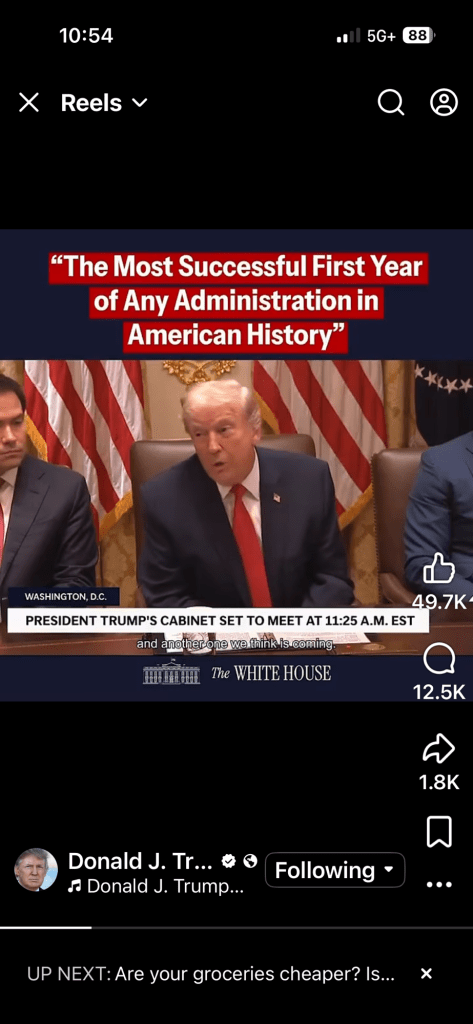
His big claim is settling eight wars. He exaggerates, misleads or simply lies.
Of course as Joseph Goebbels knew well, if you repeat a lie often enough, it is believed as truth.
Most successful year in American history you say? Would you want him in office during the Great Depression?
Here is what FDR accomplished his first year in office.
When Franklin D. Roosevelt took office in March 1933, the U.S. was at the nadir of the Great Depression. His first year is legendary for the “First Hundred Days,” a period of unprecedented legislative activity that fundamentally reshaped the relationship between the American government and its citizens.
Here is a breakdown of what FDR accomplished during that whirlwind first year:
1. Rescuing the Financial System
Roosevelt’s immediate priority was stopping the total collapse of the banking system.
- The Emergency Banking Act: Just days after taking office, he declared a “Bank Holiday” to stop runs on banks.This act allowed stable banks to reopen and restored public confidence.
- The Glass-Steagall Act: This landmark law separated commercial banking from investment banking and created the FDIC, which insured individual bank deposits so people wouldn’t lose their life savings if a bank failed.
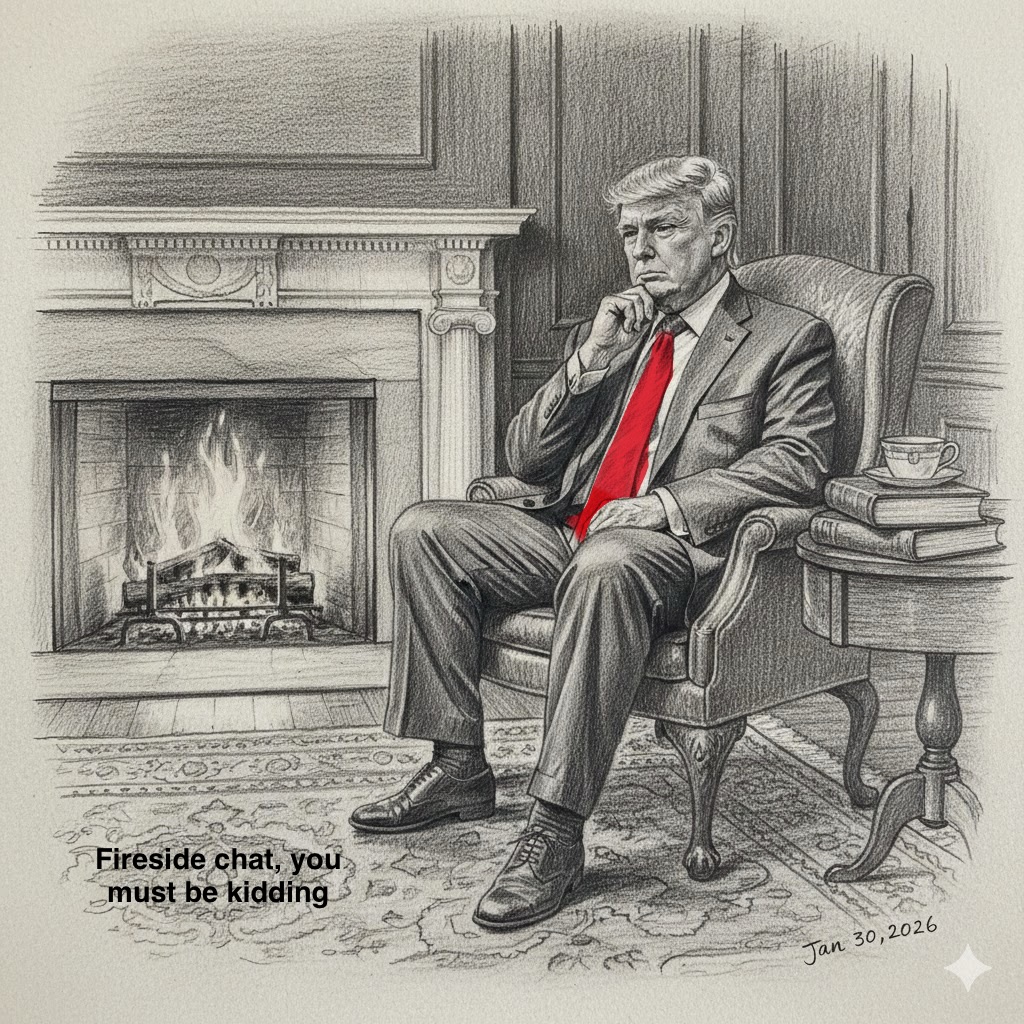
- Fireside Chats: He began using the radio to speak directly to the public, explaining his policies in plain English and calming a panicked nation.
2. Jobs and Relief Programs
FDR pivoted quickly to “Work Relief” to get the 25% unemployed population back to work.
- Civilian Conservation Corps (CCC): Put hundreds of thousands of young men to work on environmental conservation projects (planting trees, building parks).
- Federal Emergency Relief Administration (FERA): Provided direct $500 million in grants to states to help the needy.
- Civil Works Administration (CWA): A short-lived but effective program that created 4 million manual labor jobs during the harsh winter of 1933–1934.
3. Economic Reform and Infrastructure
He moved to stabilize the two biggest sectors of the economy: agriculture and industry.
- Agricultural Adjustment Act (AAA): Paid farmers to plant fewer crops to reduce the surplus, successfully raising crop prices and farm income.
- National Industrial Recovery Act (NIRA): Created the NRA, which sought to eliminate “cut-throat competition” by creating codes of fair practice and guaranteed the right of labor to bargain collectively.
- Tennessee Valley Authority (TVA): A massive project that built dams to control flooding and provide cheap electricity to the impoverished Tennessee Valley.

 QUINNSCOMMENTARY
IRT delusions, you’re looking in a mirror.
LikeLike
Al Lindquist
well of course if you lie enough folks believe you–just think of all the lies you and yours believed–you
really thought Obamacare would be “affordable”–that I could keep my doctor and pay $2,500 or less for the premium??
Remember the lie that you guys told about the 10,000,000 invaders — that was a myth you guys said–“the border is closed”!!– FAUX News is lying like hell–don’t believe what you are seeing.
How about the demented one was in great health and more than capable of leading this great country–until he wasn’t!!
Alex Pretti was a peaceful man–a nurse at the VA–warm and giving–a protestor killed by ICE agents who are referred to as Nazis–Gestapo and look and act like storm troopers— until we see video #2 filmed 11 days prior to the tragic death–another lie dispelled.
You can create all the alphabet agencies you want but like Roosevelt’s they probably will not be a positive for the economy—the economy showed dramatic improvement once we entered the war–not so much before.
Hope he gave –results are tenuous–he did have far more class and respect for us than Trump who is a fool. He tried Roosevelt did–led us through the war admirably -gave too much to Stalin–will be one of the top five in history.
LikeLike
Affordable, especially in healthcare is in the eye of the beholder. For some people paying anything is unaffordable. Obamacare could never meet all the promises, but he didn’t say anyone would save $2500 in premiums just save that in total. For many people who newly obtained coverage and for those with lower out of pocket costs that was probably true, but too broad a promise for sure. It certainly expanded coverage.
I am still trying to figure out how anyone with decent insurance could not keep their doctor and to the extent it happened it was a small segment of the population, especially given 60% of American workers get coverage through an employer.
Nothing in Obamacare affected access to physicians. However, there was an indirect effect in part because physicians chose not to participate. Generally many plans including employer plans look to smaller networks in an effort to lower costs.
LikeLiked by 1 person