
I used an AI program to help write this.
When crude oil prices fluctuate, it is natural to focus on the numbers at the local gas station pump. However, crude oil is arguably the most influential commodity in the global economy, serving as both a primary energy source and a fundamental raw material.
When the price of a barrel of oil rises or falls, it triggers a cascading “domino effect” across almost every sector of consumer goods and services.
1. The Cost of Food and Groceries
Oil prices impact the grocery bill in two distinct ways: how food is grown and how it is packaged.
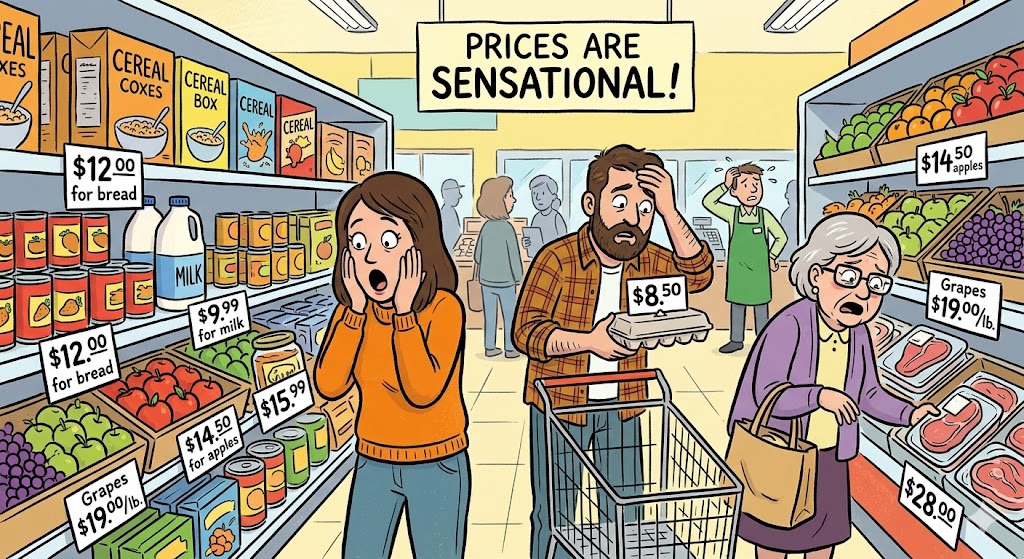
- Agricultural Production: Modern farming relies heavily on petroleum products. Diesel powers the tractors, harvesters, and irrigation systems that plant and reap crops. Furthermore, synthetic fertilizers and pesticides are often derived directly from petroleum and natural gas byproducts. When oil prices spike, the cost of cultivating crops and raising livestock rises immediately.
- Packaging Materials: Walk down any grocery aisle, and almost everything you see is wrapped, sealed, or bottled in plastic. Because plastic is manufactured from petrochemicals (derived from oil and refining processes), higher crude prices drive up the cost of food packaging, from milk jugs to chip bags.
2. Transportation and Shipping Surcharges
While passenger cars use gasoline, the backbone of global commerce runs on diesel and jet fuel.
- Freight and Logistics: Over 70% of goods in the U.S. are carried by large commercial trucks powered by diesel.When diesel prices jump, shipping companies pass these expenses directly to retailers via fuel surcharges. Whether it is a couch, a television, or a pair of shoes, the cost of moving that item from a factory to a warehouse to a store shelf increases.
- Air Travel and Delivery Services: Jet fuel is one of the largest operating expenses for commercial airlines and courier services (like FedEx or UPS). Higher oil prices inevitably lead to more expensive plane tickets and higher home-delivery fees.
3. Everyday Consumer Goods (Petrochemicals)
Petroleum is a foundational ingredient in thousands of everyday household products. When crude oil becomes more expensive, the raw material costs for these items surge:
- Clothing and Textiles: Synthetic fibers like polyester, nylon, acrylic, and spandex are made from petroleum derivatives. A spike in oil directly affects the manufacturing cost of clothing, carpets, and athletic gear.
- Cosmetics and Personal Care: Many beauty products, including lipsticks, foundations, shampoos, and lotions, use petroleum jelly, mineral oils, or propylene glycol as base ingredients.
- Household Items: Items ranging from car tires and synthetic rubber to paints, detergents, asphalt, and construction materials all rely heavily on petroleum chemical bases.
4. Manufacturing and Industrial Output
Industrial factories require massive amounts of energy to run heavy machinery, heat furnaces, and power assembly lines. While some use electricity or natural gas, many global manufacturing hubs still depend on oil-fired power or are highly sensitive to overall energy market spikes. When industrial energy bills go up, the profit margins of manufacturers shrink, prompting them to raise the wholesale prices of the goods they produce.
5. The “Second-Round” Inflationary Ripple
Beyond the direct costs, economists closely watch what are known as second-round effects.
When a restaurant chain faces higher costs for ingredients (food inflation), higher costs for delivery (freight surcharges), and more expensive electricity or gas to run the kitchen, it has no choice but to raise menu prices. Similarly, service providers—from landscapers to plumbers—raise their rates because it costs more to keep their work vans on the road and purchase their supplies.
Ultimately, because oil is woven into the fabric of production, packaging, and delivery, its price movements act as a hidden tax or subsidy on almost every transaction in the modern economy.


