
Following is the strategy used by dictators in the 20th century. Of course many also relied on violence and imprisonment of opponents.
After reading this I got to thinking. Why does it sound familiar?
Are any of these tactics apparent in our current political environment?

1. Exploiting crises
Many rose to prominence during periods of economic hardship, political instability, or national humiliation. They presented themselves as the only leader capable of restoring order.
2. Creating an “us versus them” narrative
Dictators often blamed societal problems on specific groups or enemies.
These could include:
Ethnic or religious minorities
Political opponents
Foreign countries
Intellectuals or journalists
Wealthy elites or “class enemies”
By identifying scapegoats, they simplified complex problems and united supporters against a common enemy.
3. Personality cults
Many cultivated an image of themselves as uniquely qualified or indispensable.
This often involved:
Constant praise in state-controlled media
Large public rallies
Portraits and statues
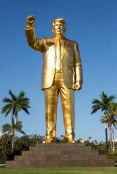
Claims of exceptional wisdom or strength
4. Repetition of simple messages
Propaganda relied on repeating emotionally powerful slogans rather than nuanced arguments.
“Make the nation great again”–style appeals to restore a perceived lost greatness (used in different forms by leaders in many countries and eras).
Promises to eliminate corruption or restore order.
Appeals to patriotism and national unity.
5. Controlling information
Authoritarian governments often:
Censored newspapers and books.
Took control of radio, television, or film.
Restricted independent journalism.
Rewrote history textbooks.
Suppressed unfavorable information.
This reduced citizens’ ability to verify official claims.
6. Undermining trust in independent institutions
Many dictators portrayed institutions that could limit their power as corrupt or illegitimate, such as:
Courts
Legislatures
Universities
Independent media
Civil service
Election authorities
7. Using fear
Fear was a powerful political tool.
The goal was often not just to punish critics but to discourage others from speaking out.
8. Gradual concentration of power
Rather than abolishing democracy immediately, many leaders:
Declared emergencies.
Expanded executive authority.
Reduced legislative oversight.
Limited judicial independence.
Changed election rules.
Outlawed opposition parties.
Power was often centralized step by step.
9. Claiming exclusive legitimacy
Many authoritarian leaders framed political disagreement as disloyalty rather than a normal feature of democratic politics.
10. Rewarding loyal supporters
Dictators often maintained power by:
Giving key supporters government jobs.
Favoring loyal businesses.
Promoting military and party officials who demonstrated loyalty.
Punishing those viewed as disloyal.
A broader historical point
These tactics are not exclusive to dictatorships. Democratic politicians across countries may use some of the same rhetorical techniques—such as appealing to national pride, criticizing opponents, or emphasizing crisis.


