
Too many Americans are influenced by his propaganda and very often have no idea what socialism or communism actually is.
Donald Trump uses the terms “socialist” and “communist” primarily as rhetorical weapons to frame political opponents, mobilize his conservative base, and contrast his economic programs against perceived ideological threats.
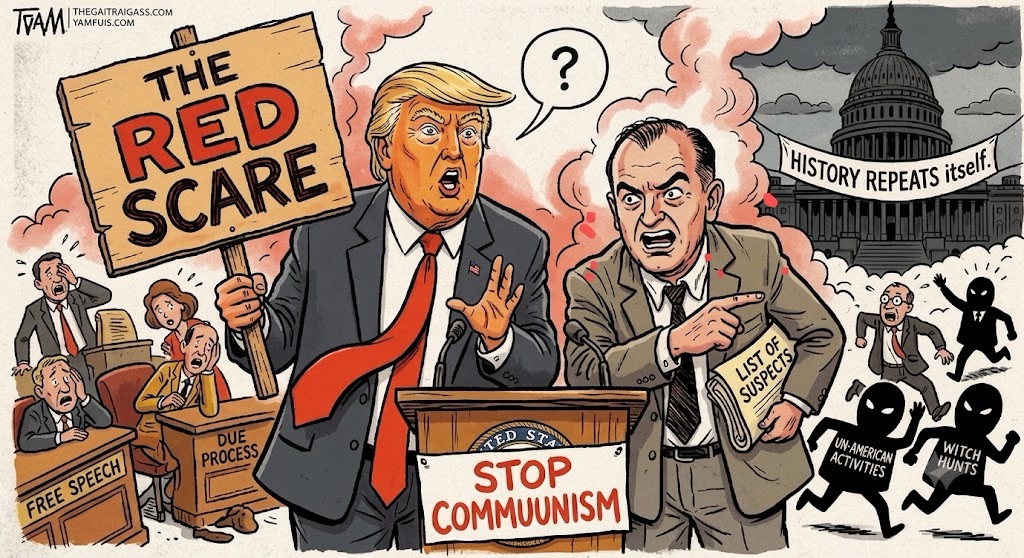
Trump does not have a true conservative base, his base is uninformed, scared, insecure and looking for anyone else to blame for anything in their lives that has gone wrong. Their claim of American values, of a Christian nation and all implied in that is a hoax on full display by the type of individual they support. They seem perfectly willing to allow themselves to be manipulated…and quite effectively at that.
Look to history for examples of societies that have allowed the same thing to happen. It’s not socialism we have to fear.
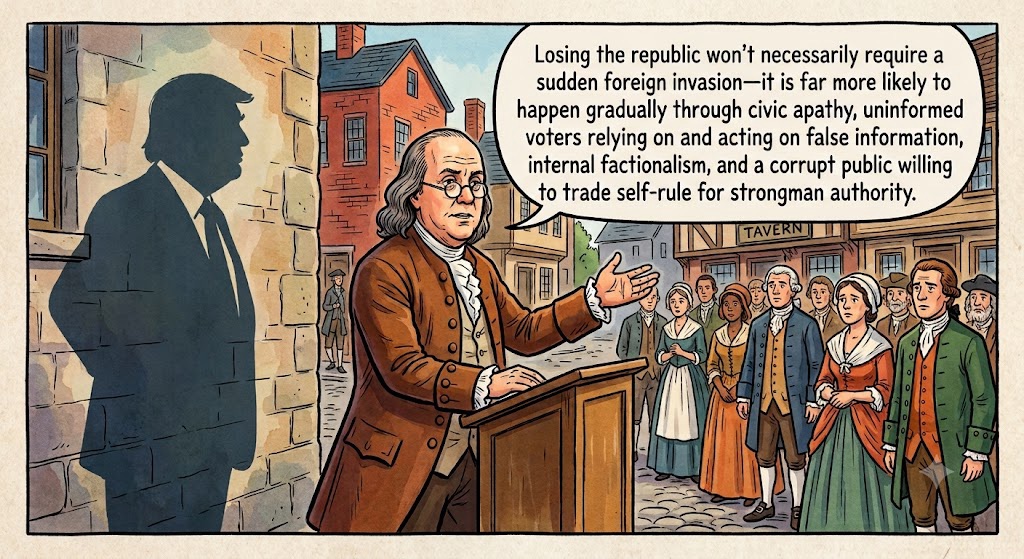
Do they not see what is happening, do they not care or simply ignore it. One thing for sure, they are easily influenced by propaganda, they are unable to see consequences or to accept facts if facts get in the way of what they want to believe.
Trump frequently conflates mainstream Democrats and progressive figures with hardline communists and socialists.
Rather than drawing distinctions between democratic socialism, social democracy, and mainstream liberal policies, Trump uses terms like “godless communists” and “hardcore leftists” to label the broader Democratic platform.
During high-profile speeches and campaign-style ad blitzes (such as television ads declaring “Together we will defeat communism, socialism, and Marxism in America”), Trump leverages these labels to capitalize on voter anxieties surrounding government regulation, inflation, and public spending.
Beyond economics, Trump ties anti-communist rhetoric to cultural and religious freedom issues.
In addresses to conservative faith groups (such as the Faith & Freedom Coalition), he portrays communism as an existential, anti-religious threat, asserting that radical left movements seek to undermine religious freedom and close churches.
Critics and commentators note a central irony in how these labels interact with Trump’s actual economic interventions:
While Trump uses anti-communist imagery to rally support, political analysts point out that his administration’s aggressive trade protectionism, tariffs, and direct intervention in domestic corporate matters mimic the strong-handed state involvement that traditional free-market conservatives historically criticized.


